Hacktron says a Discourse image-processing flaw and OpenAI sign-on configuration enabled access to employee ChatGPT, Codex and internal repositories before coordinated fixes.
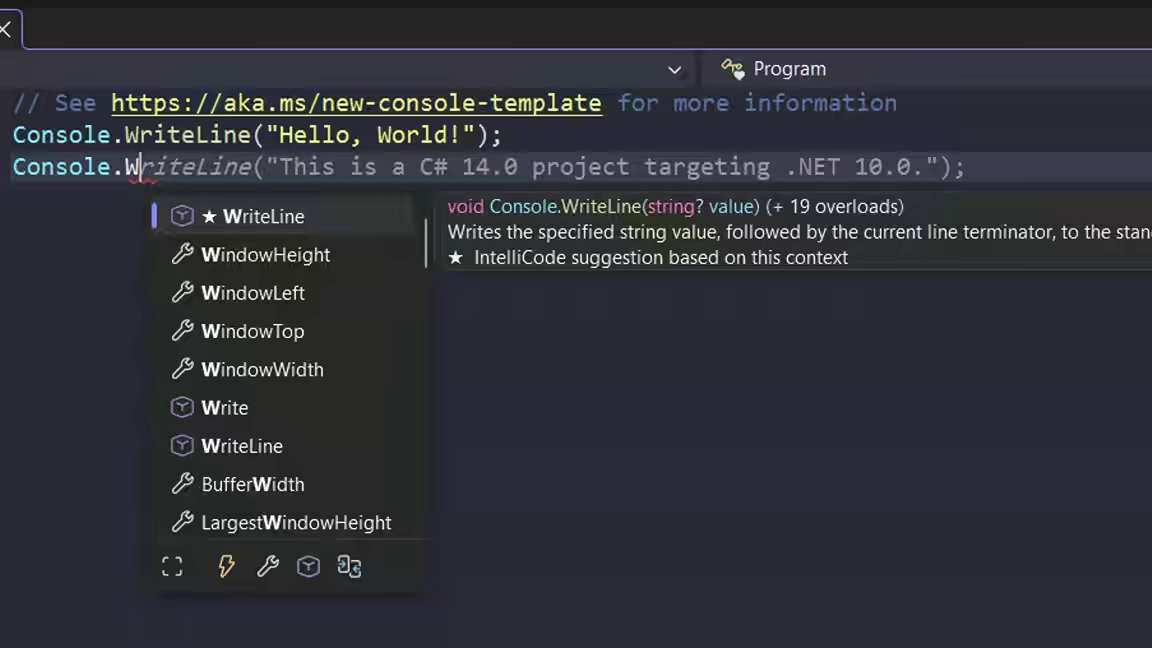
The structured-output model points toward low-latency AI inside interactive software, while an independent engineer argues much of the technique may be reproducible with existing models.
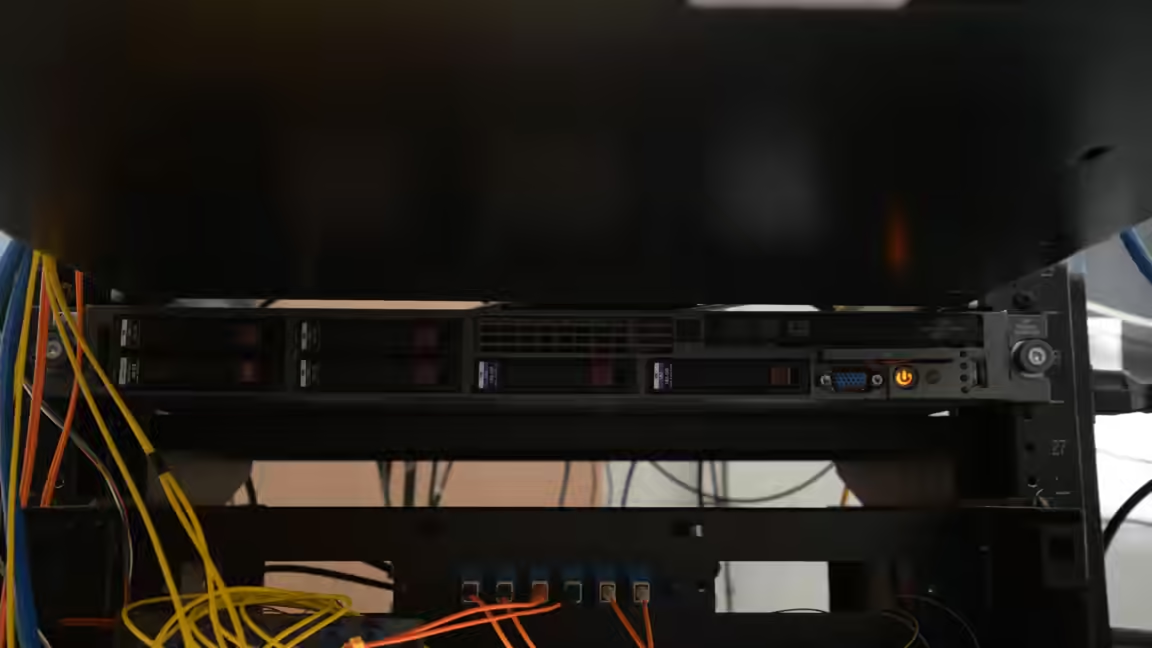
A timing receiver that returned from maintenance believing the year was 2006 helped expose how deeply mobile networks and connected infrastructure depend on synchronized clocks.
The open-source workflow guides coding agents through six audit phases and requires machine-readable evidence, coverage tracking and independent verification.
The research framework turns accumulated discovery trees into a replay environment for testing exploration policies before deploying them in costly live runs.
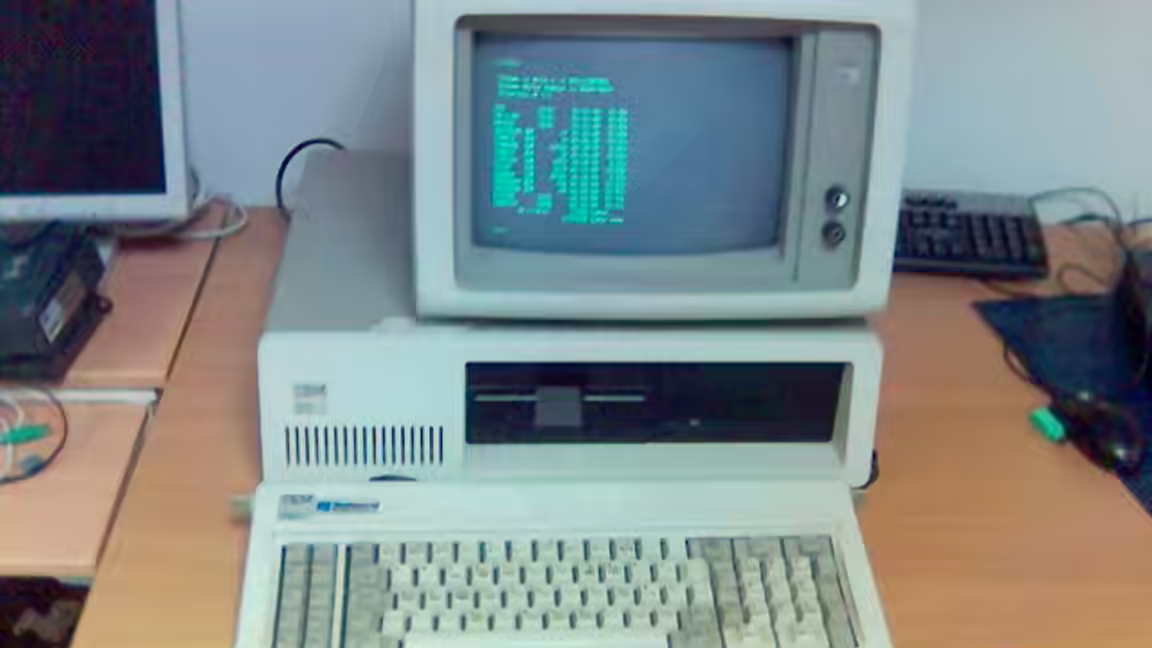
A four-year reverse-engineering project has exposed the CXP102064 MechaCon chip, potentially aiding preservation, repair and emulation of early PlayStation 2 hardware.
Ursula von der Leyen endorsed closer ties spanning technology, defence, energy and trade, though no EU associate-membership framework currently exists.
The community edition gives developers a reproducible synthetic-data engine, command-line workflow and narrowly defined MCP integration for test environments.
The partnership brings Mistral's multilingual models to Mozilla's AI browsing assistant in France and North America, with privacy and user choice as stated priorities.
The experimental collective is bringing its collage-based live show to the Internet Archive while continuing a decades-long partnership preserving its radio work.
The civil-liberties advocates argue that surveillance systems built after September 11 have spread into routine policing and private infrastructure without adequate evidence of their value.
The technology founder supports independent testing and narrow safety restrictions while warning that broad limits could entrench leading laboratories and governments.
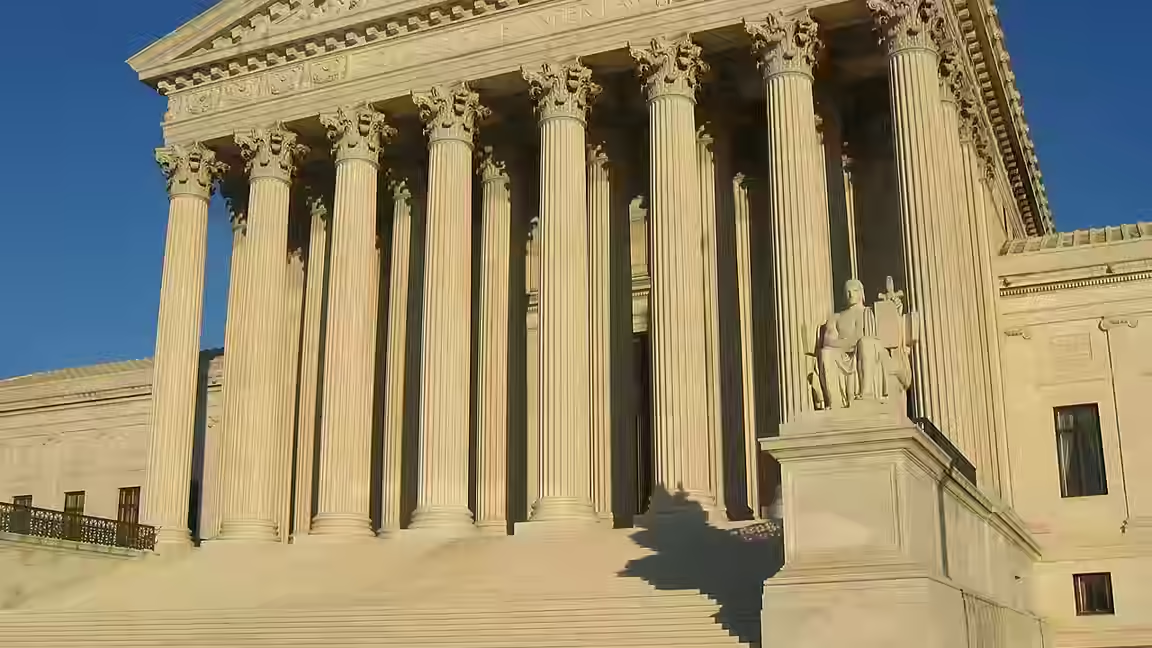
The justices declined to let the Postal Service apply new requirements during the 2026 midterms, while leaving the underlying legal challenge unresolved.
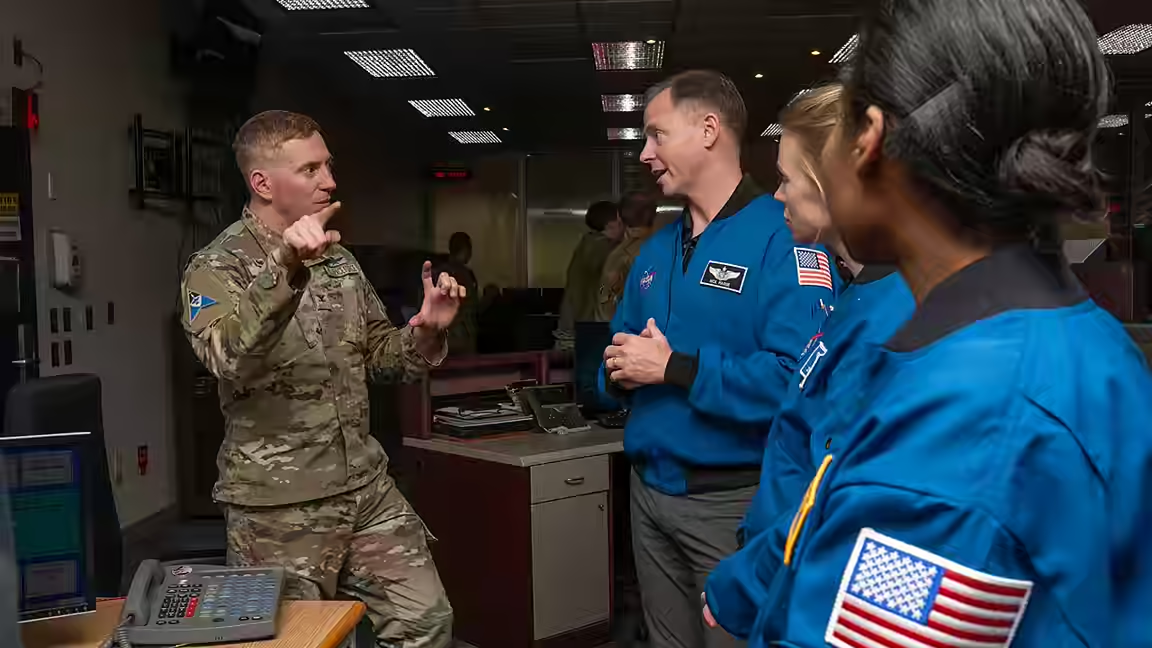
Air Force Secretary Troy Meink disclosed a capability that officials say can serve offensive or defensive purposes, while leaving its technology and deployment date classified.