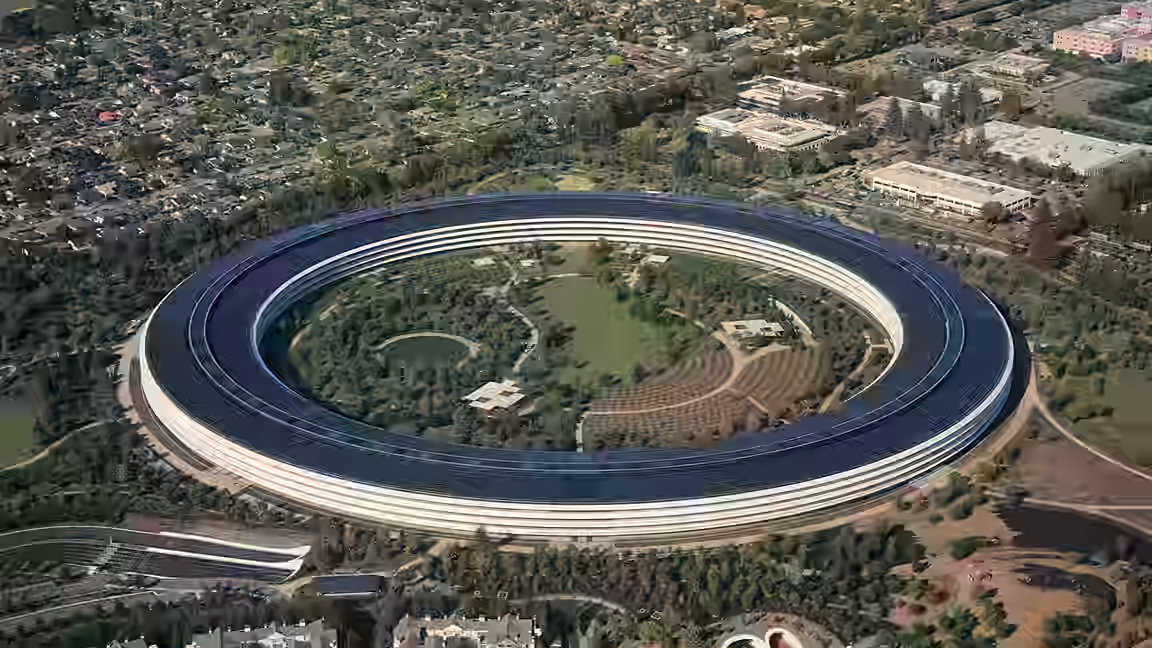
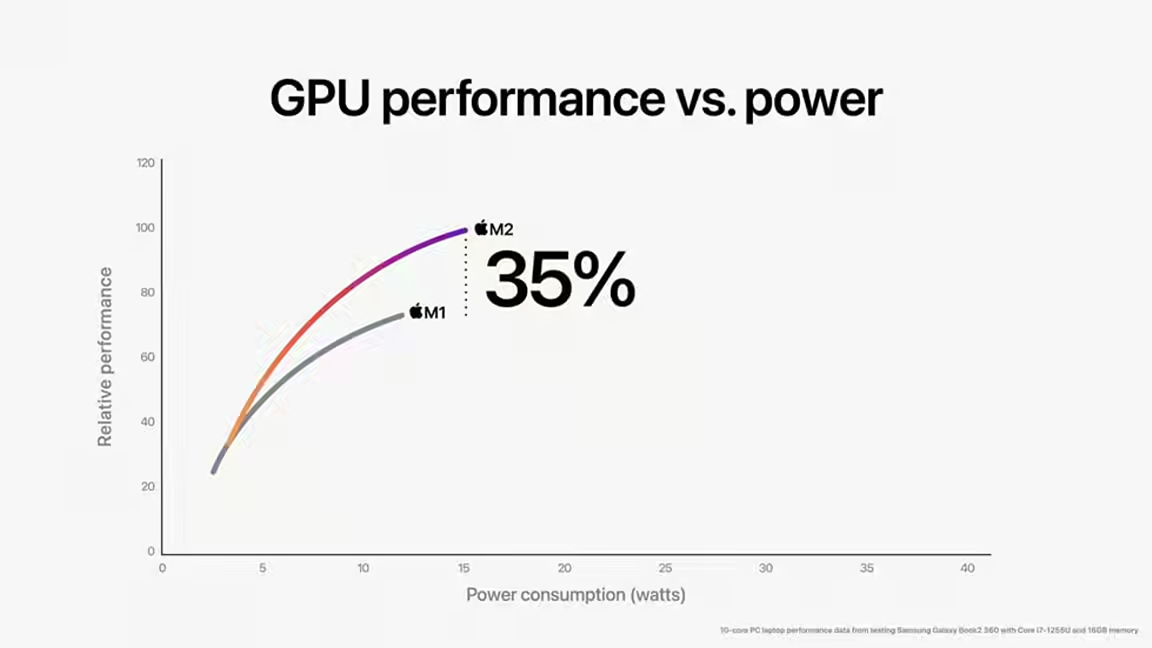
The third generation of Apple Foundation Models uses on-device systems, Private Cloud Compute and specialized architectures while excluding private user data from training, Apple says.
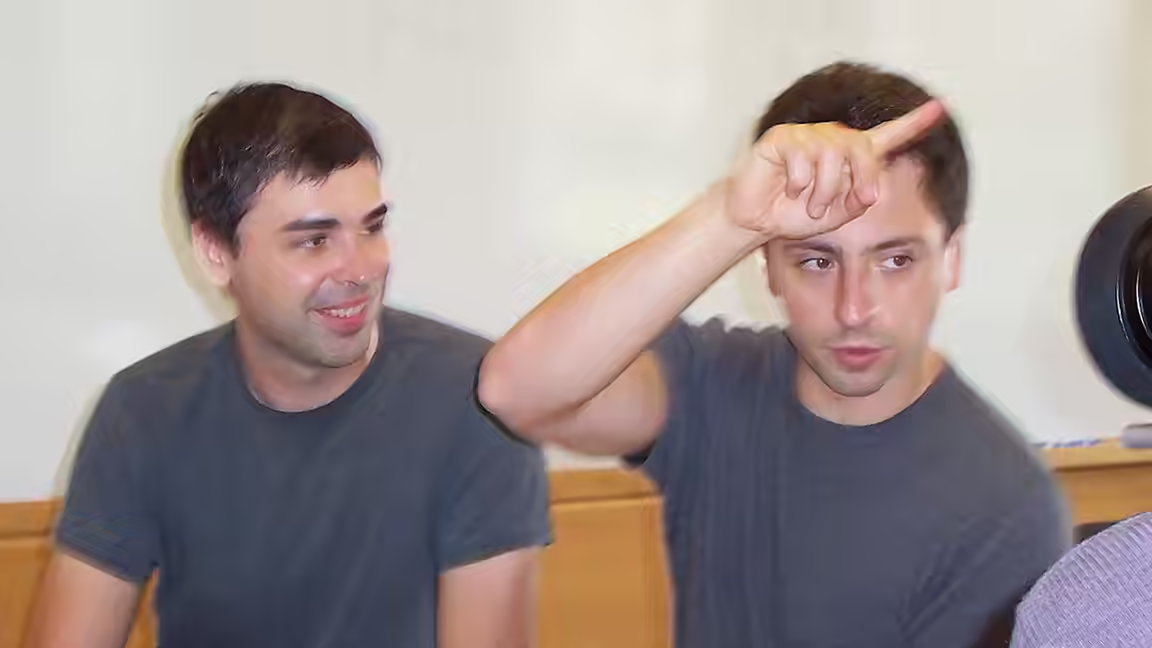
State records cited by the Los Angeles Times show the Google co-founder financing a group backing two measures that could override a proposed billionaire tax.
A Black Hat discussion highlights how valid transformations can erase memory clearing or create timing gaps, reinforcing the need to test optimized release binaries.
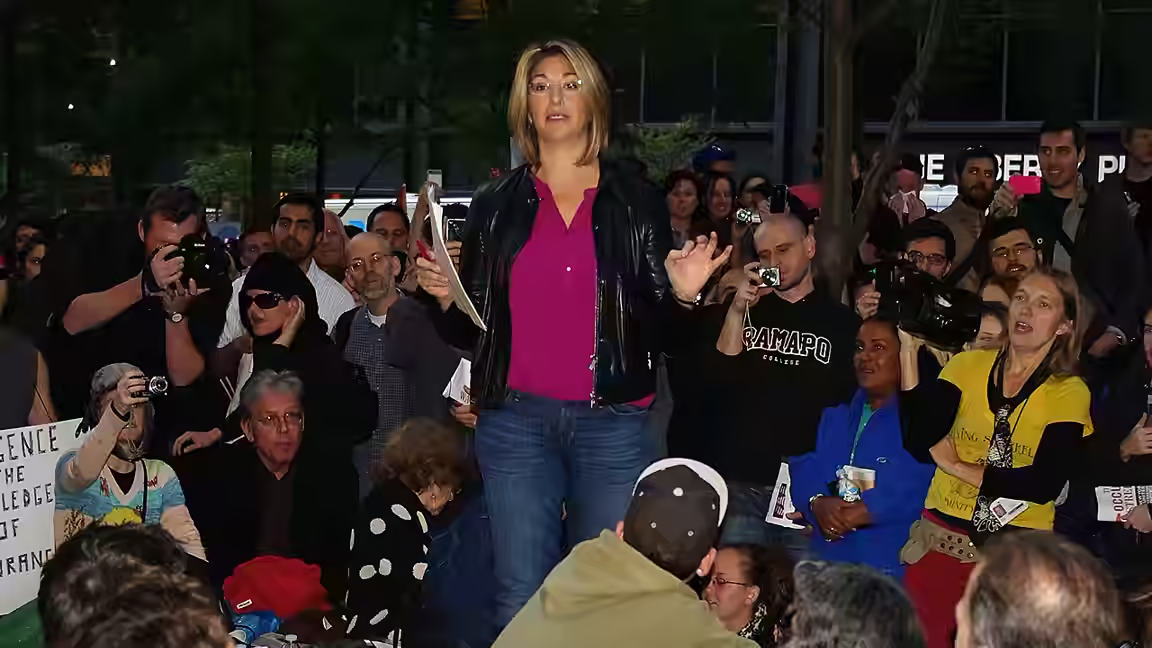
In an interview about End Times Fascism, Klein describes the book's argument that concentrated wealth, crisis politics and private technology power are reinforcing authoritarian systems.
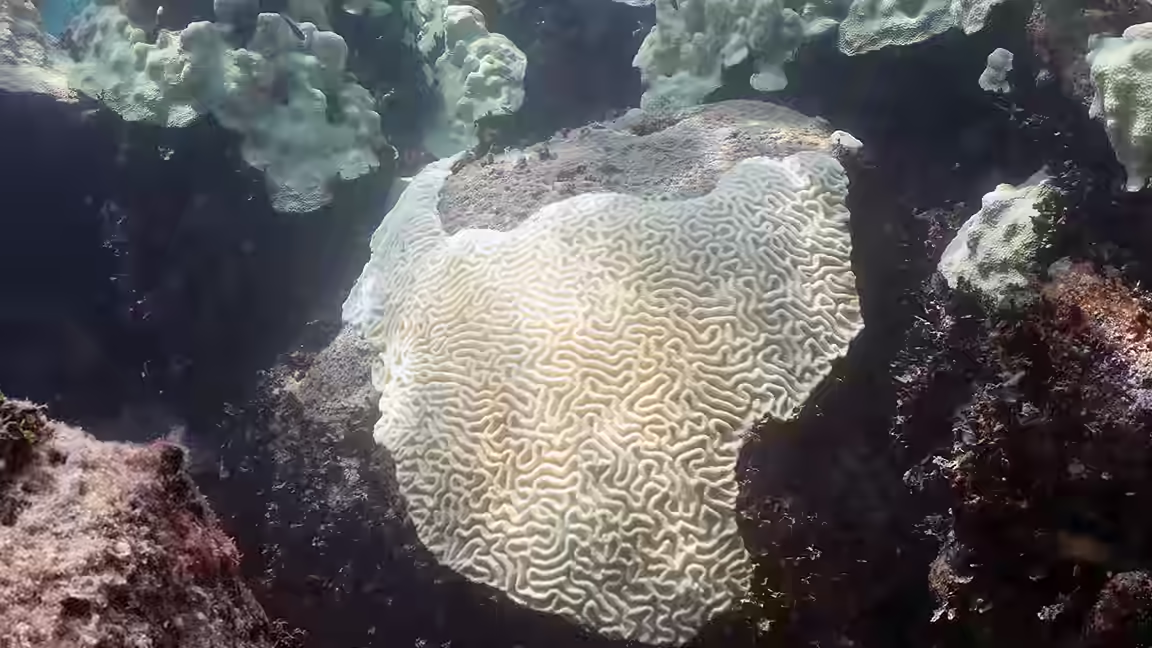
Three exceptionally hot years have intensified concern that weakening carbon sinks and Earth-system tipping points could make a later return below the Paris threshold much harder.
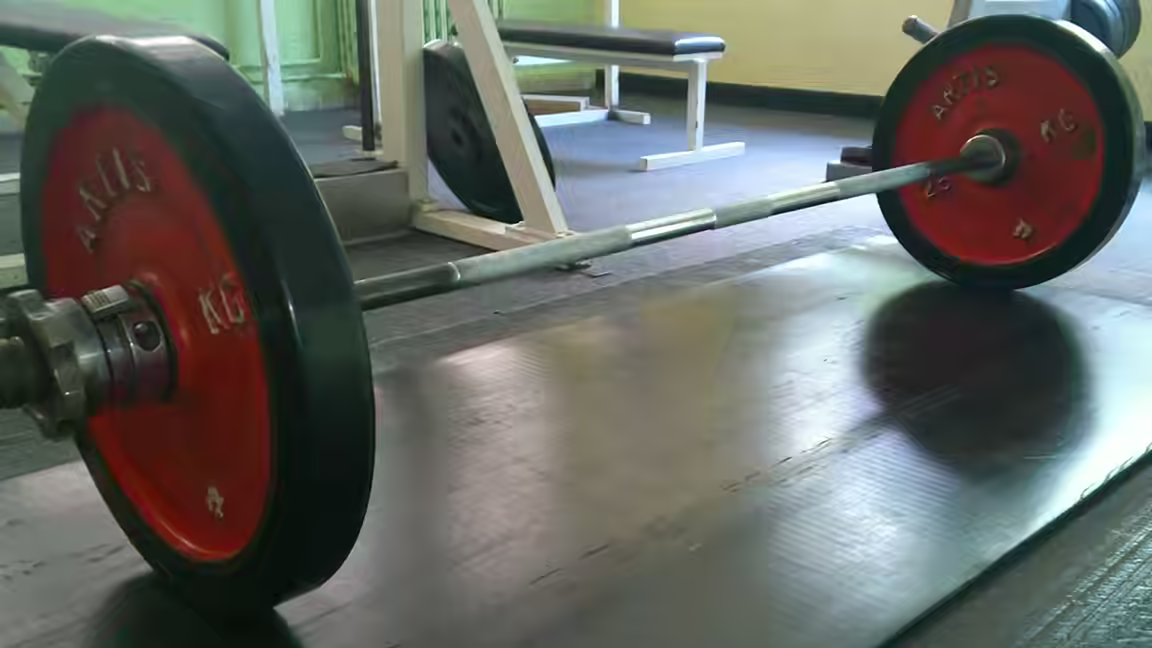
A synthesis of 137 systematic reviews finds that resistance training reliably improves multiple measures of muscle function, while only a limited set of program variables consistently changes the result.
A new technical teardown describes the compute and dataflow architecture of Apple's original M1 Neural Engine and why transformer workloads changed accelerator design priorities.
The final installment follows participants first filmed as seven-year-olds in 1964, ending a project that examined class, opportunity and the ethics of filming lives over decades.
Security researchers say a now-mitigated flaw allowed a call to seize a WeChat account and use it to attack trusted contacts without the recipient answering.
The macOS-defaults project documents preference commands with demonstrations, explaining how application domains, keys and shared settings fit together.
The Clay Mathematics Institute has welcomed an apparent solution to its fluid-motion Millennium Prize Problem while stressing that formal evaluation will be deliberate.
Minitap says code, prompts and author names from its Apache-licensed mobile-use project appeared in Google's Artemis repository without clear attribution.
The open-source command-line tool turns C# projects into a semantic graph of compiler-resolved references, calls, implementations and inheritance relationships.
Researchers analyzing 76 million radio images detected more than 112,000 emissions from Starlink satellites in frequencies important to low-frequency astronomy.
Quesma's tests of RTK found modest savings in one model setup but higher costs in another, despite the tool reporting large reductions in terminal output.
A Research Agenda essay argues that tools designed to remove human interaction can also eliminate the informal exchanges on which research communities depend.