A technical essay highlighted on Aug. 26, 2026, presents retrieval-augmented generation as a progression of search options, urging teams to add embeddings only when usage data supports the extra complexity.
SemiAnalysis says it observed benchmark runs of OpenAI’s first custom inference ASIC, while cautioning that engineering samples and limited workloads complicate comparisons.
A historical account traces today’s shortage of public facilities to nineteenth-century sanitation drives, unequal access and the retreat of municipal provision.
Open-source hardware marketplace Lectronz argued that forthcoming EU packaging obligations risk creating disproportionate costs for makers and micro-entrepreneurs selling across borders.
The experimental companion follows multi-step instructions, acts on game state and changes personality while keeping latency-sensitive work largely local.
In an essay dated August 23, 2026, Napper argues that broad, habitual reading teaches craft, supplies ideas and helps writers develop an individual voice.
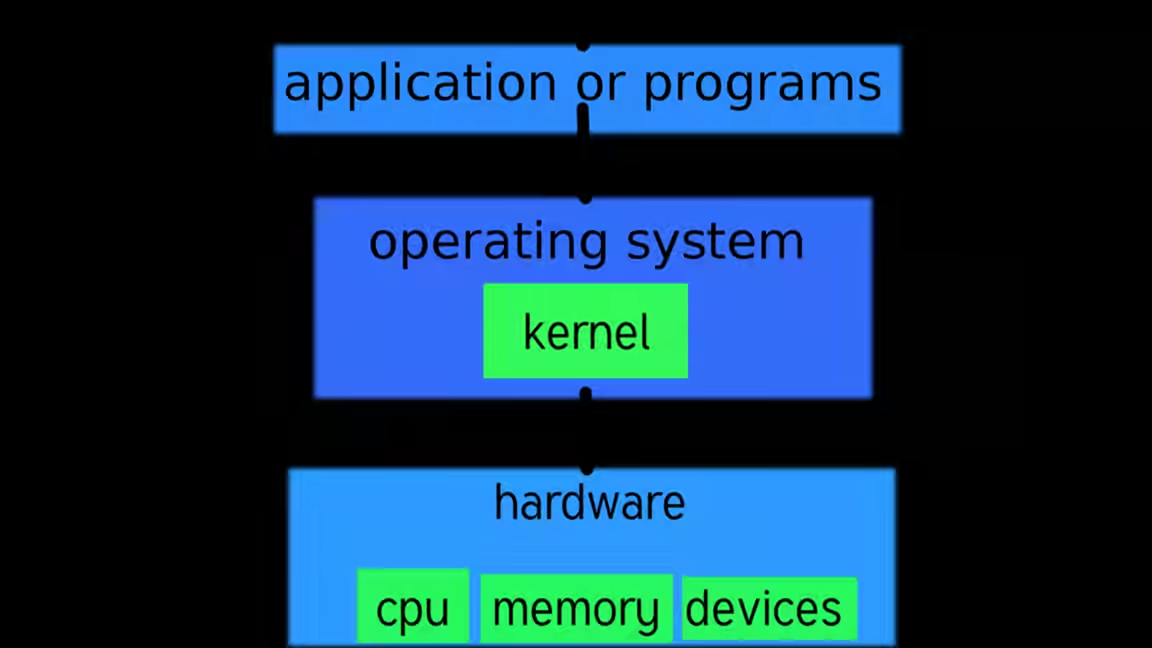
A technical explainer dated August 23, 2026 describes how instructions, tools, an iterative loop and model translation turn a standalone model into an operating agent.
In a brief social-media post, Graham said that, if he were 17, he would focus on learning how to construct large language models and train the strongest systems available hardware would allow.
A technologist’s account described spending $266.15 on four AI models while trying to gain full control of a Fire HD 10 tablet that was repeatedly shutting down.