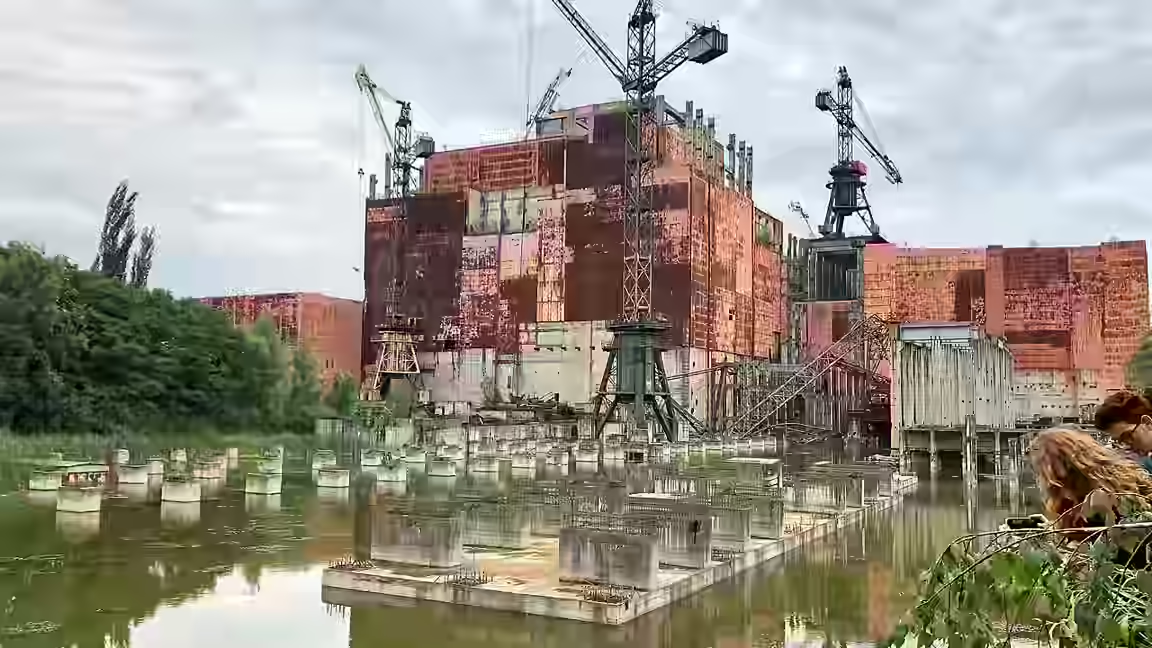
X-ray analysis of six radioactive particles found their uranium-oxide structures had changed less than researchers expected, while leaving broad safety conclusions unresolved.
A Kubernetes incident-diagnosis experiment paired programmatic evidence collection with a compact decision model, exposing both speed advantages and important limits.
Strands Decider replaces free-form text generation with option scoring, targeting low-latency routing, policy and agent-workflow decisions on local hardware.
A synthesis of 423 studies found that many ecosystem benefits continue increasing as species diversity rises, challenging claims that species are broadly interchangeable.
A two-year experiment in 18 Tennessee middle schools found that access to Khan Academy's AI tutor improved achievement slightly, while students rarely used its conversational help in depth.
The foundation says agents it believes were operated by OpenAI edited test areas, probed a hosted note-taking service and generated traffic that may have contributed to a May outage; OpenAI has not verified the outage link.
A Stratechery account of an exploited screen-sharing flaw argues that desktop security controls must adapt without making useful automation impractical.
The first Rust release aims to preserve Mold 2.42.1 compatibility and performance while tightening handling of malformed inputs and closing GNU ld gaps.
Transport & Environment says a surge of lower-priced models is widening consumer choice as battery-electric sales reach record levels in the European Union.
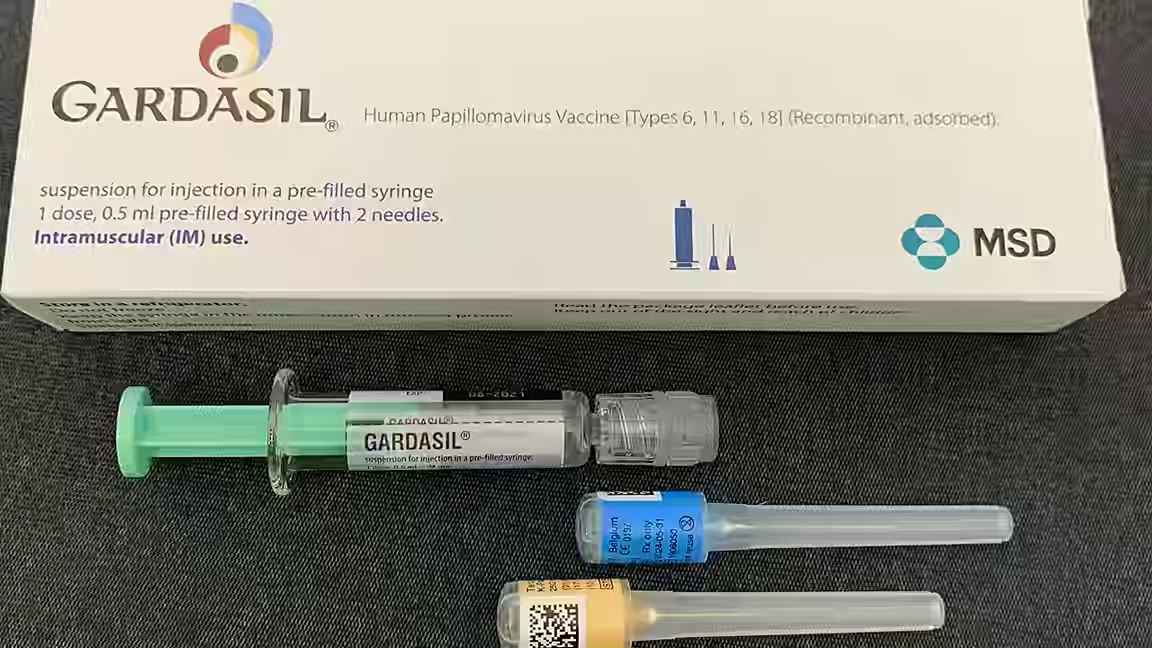
A global analysis estimates that 12 pathogens contributed to 2.3 million new cancer cases in 2024, highlighting the potential of vaccination, testing and treatment.
A prototype compiler and Cargo patch writes dependency metadata earlier, allowing downstream crates to begin before upstream function bodies finish checking.