Limited personal-use rollout
Tesla has begun inviting selected customers to buy its Cybercab for personal use, setting a purchase price of $29,990 and attaching a required $299-a-month subscription for autonomous driving. The company says initial availability is limited, leaving unanswered when a wider public sale might begin.
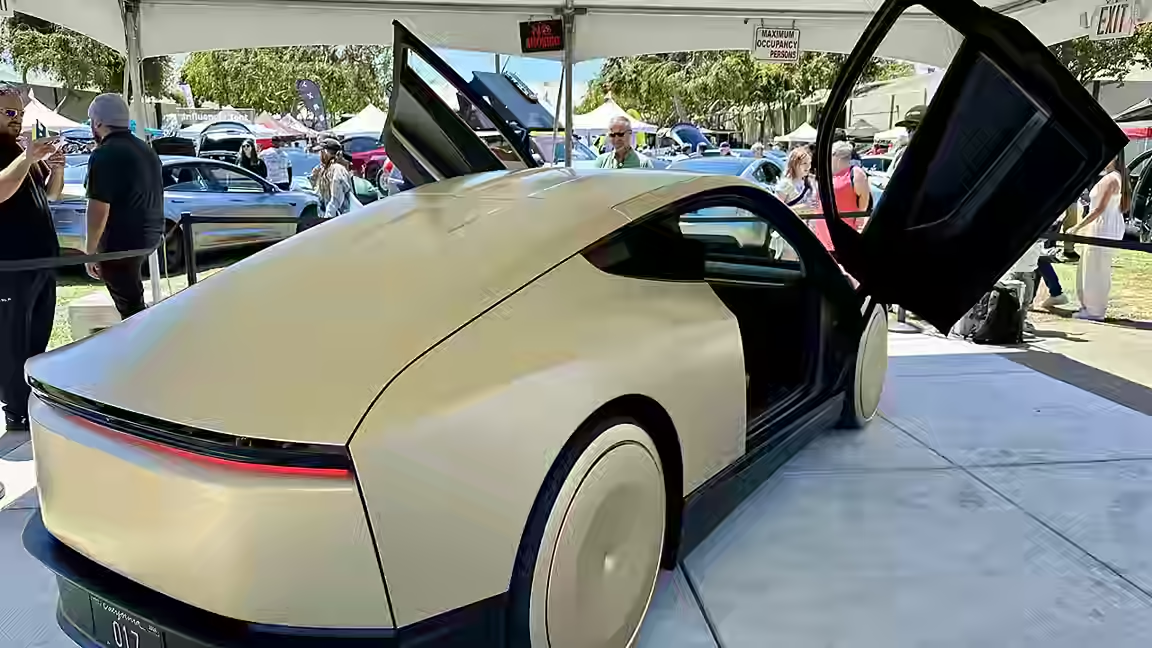
The compact, two-seat vehicle is designed without a steering wheel or pedals. Tesla describes it as fully autonomous and says owners will be able to monitor the car and manage rides through its app. A first month of the autonomy subscription is included, but continued operation would add about $3,600 a year before insurance, maintenance and other ownership costs.
Tesla's order information says deliveries could begin as soon as next month. The company also says the vehicle will work only in supported service areas rather than throughout the United States. It has not specified the full geographic coverage or explained how quickly those operating areas could expand.
The price puts the Cybercab below Tesla's Model 3, but the restricted launch makes the practical value dependent on where a buyer lives. Tesla has not said whether privately owned Cybercabs can join its Robotaxi network and earn revenue, an idea the company has discussed in the past.
Regulatory questions remain
The unusual controls-free design creates a separate regulatory issue. Conventional federal vehicle standards generally contemplate equipment such as steering controls, pedals and mirrors. The National Highway Traffic Safety Administration has questioned how Tesla determined that the Cybercab complies with applicable safety standards, according to the report.
Manufacturers can seek permission for limited deployments of vehicles that do not meet every conventional requirement, but those exemptions ordinarily constrain the number of vehicles. Any broader personal-ownership rollout will therefore depend not only on Tesla's manufacturing and software performance but also on the regulatory path available to the design.
Tesla already uses Cybercabs in its own Robotaxi service in a small number of American cities. Selling a driverless vehicle directly to individuals would move the technology into a different ownership model from fleets run by companies such as Waymo, Zoox and Tesla itself.
The announcement is an early commercial step rather than evidence of a nationwide launch. Tesla has repeatedly delayed earlier autonomy targets, and the new offer does not establish how the vehicle will perform at scale. Its significance will depend on deliveries, operating-area expansion, safety oversight and whether invited customers can use the car reliably under the subscription terms.