A large English-language collection of correspondence between Albert Camus and Maria Casarès has brought nearly a thousand letters from their long relationship to a wider readership. Covering 1944 to 1959, the volume follows two prominent cultural figures through separation, travel, creative work, illness and the unsettled years after the Second World War.
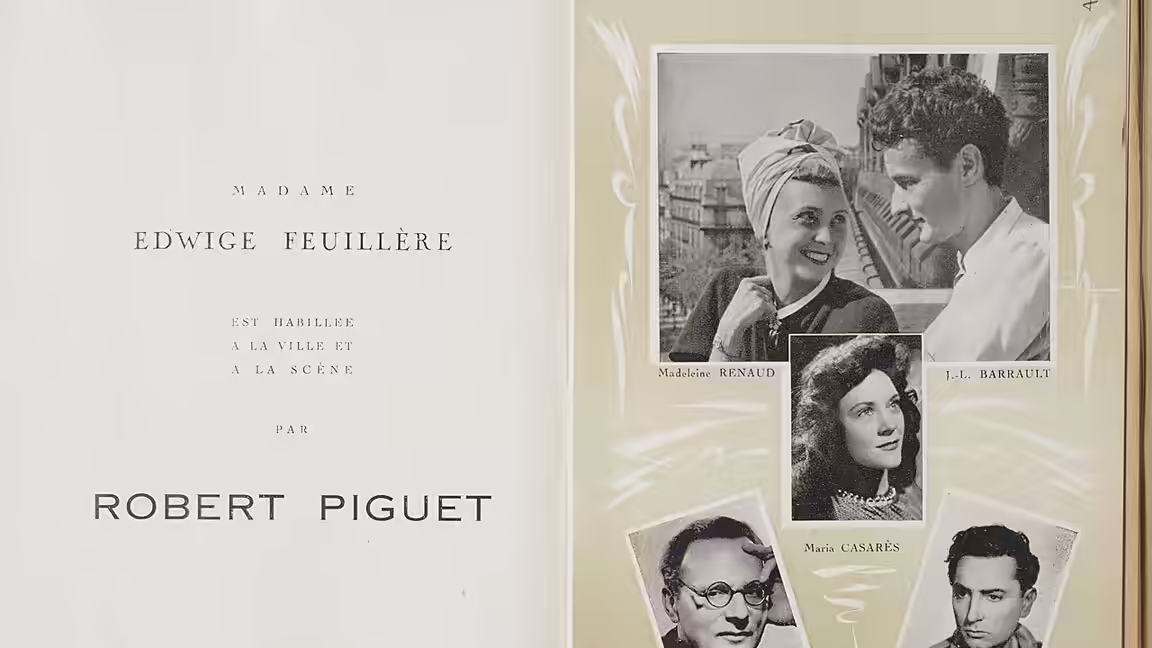
Camus and Casarès met in Paris on D-Day in June 1944, when he was 30 and she was 21. Camus, born in Algeria, had already published The Outsider and later participated in the French Resistance. Casarès, the Galicia-born daughter of exiled Spanish politician Santiago Casares Quiroga, was establishing herself as an actor and would appear in major French films and theatre productions. Their first affair ended when Camus was reunited with his wife, Francine Faure.
The pair met again in June 1948 and resumed a relationship that lasted until Camus died in a car crash on 4 January 1960. After his death, poet René Char found Casarès’s letters in Camus’s apartment and returned them to her. Decades later, Casarès gave the correspondence to Camus’s daughter Catherine. The letters first appeared in French in 2017; the English edition was translated by Sandra Smith and Cory Stockwell and edited by Béatrice Vaillant.
The correspondence ranges well beyond declarations of affection. The writers discuss books, plays, films, family difficulties, money, travel schedules and unreliable mail, alongside physical ailments and anxiety about their work. Letters were sent from cities, rural retreats and ships, sometimes written over several days like diaries. Their repeated questions about meals, meetings and health turn the collection into a record of daily life as well as a literary relationship.
Camus’s tuberculosis and self-doubt recur throughout the exchange. While working on The Rebel, he worried about whether the book would meet its purpose and help readers resist hatred. Even after receiving the Nobel Prize in Literature in 1957, the letters show him searching for personal balance. Casarès describes her own work and moods with equal intensity, and the two sometimes argue sharply. Their exchanges also touch on the political and literary world around them, including George Orwell’s death and their reactions to writers such as Hemingway and Proust.
The collection inevitably raises questions about reading material created for a private recipient. Camus was known to revise his public work closely, while these letters often move quickly between logistics, intimate detail and reflection. That immediacy is also their historical value: instead of a retrospective account, they preserve how two people experienced artistic careers and personal upheaval as events unfolded. The result is not a conventional biography, but a dual portrait assembled from the practical and emotional texture of fifteen years.