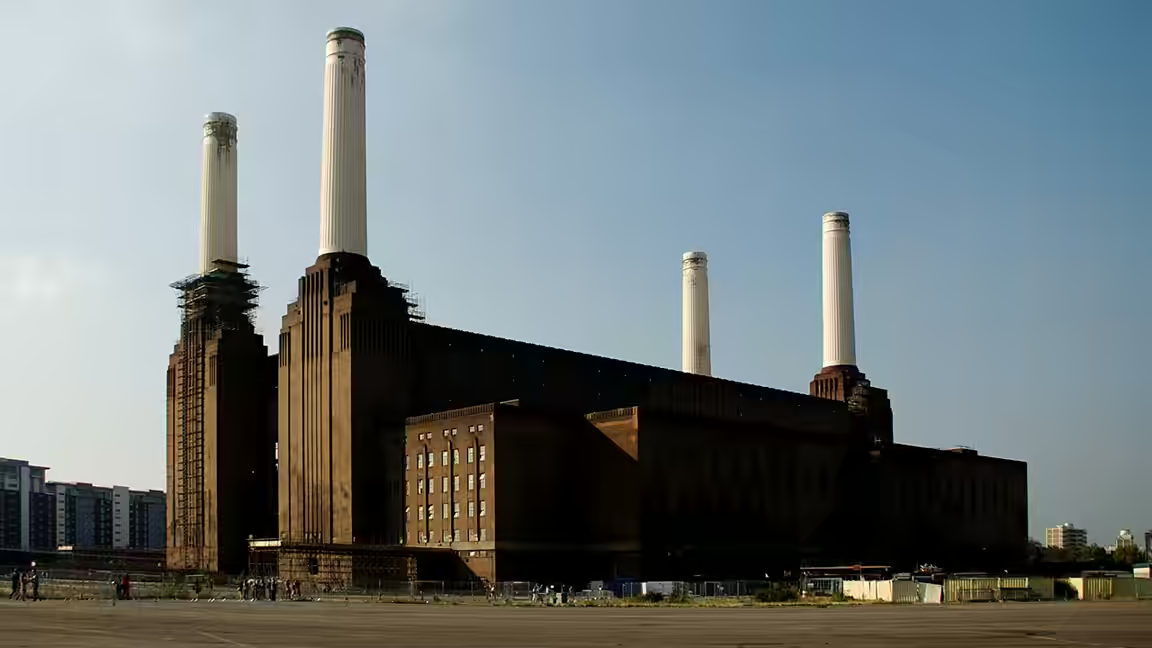
Apple is preparing to open a 600-capacity music venue beneath its UK headquarters at Battersea Power Station, giving its streaming service a purpose-built site for concerts that can also be broadcast online. The company expects Apple Music Hall to begin operating within weeks, although it has not yet disclosed the opening act.
The hall is designed for one-off performances by established artists as well as emerging bands. Shows will be ticketed, filmed and streamed through Apple Music. That makes the venue part concert room and part content-production facility, with Apple seeking material that can distinguish its service from streaming rivals whose catalogues and playlists can otherwise look similar.
The technical setup extends beyond the stage. The building includes studios for Apple Music radio, which will move from King's Cross, along with dedicated areas for DJ mixes, songwriting sessions and band rehearsals. Its audio and video systems are connected throughout, allowing an artist to record a podcast, join a radio programme and perform a streamed concert during the same visit.
Inside the former power station, the design retains fluted vaults and brick-lined walls associated with the building's Art Deco character. The bricks were selected with sound absorption in mind, while the 38-foot stage can be rearranged for a conventional front-facing performance or a show presented in the round. Apple Music executive Oliver Schusser said the compact hall has an unusually dense collection of cameras and speakers for its size.
Apple says the project is not intended to compete with independent concert halls. Schusser described live events as a way to connect musicians with listeners and create broadcasts, rather than a move into the broader venue business. The distinction matters in London, where the BBC reported that 45 music venues closed last year. Across Britain, roughly 400 clubs shut between 2020 and 2025 as operators faced higher costs and changed post-pandemic habits.
The hall also revives an older Apple approach to live music. The company ended its iTunes Festival nine years ago after staging performances by major artists at existing London venues. This time, Apple controls the room and the production infrastructure itself.
The strategy reflects a challenge facing subscription music platforms: access to recordings alone offers limited opportunities for an artist to explain an album, show a performance or build a direct relationship with fans. Apple is betting that live and studio programming can add that missing context while also giving newer performers a professionally equipped stage. Whether the hall has a wider effect on London's strained venue ecosystem will depend on its programme, ticketing and frequency of use, details that remain to be announced.