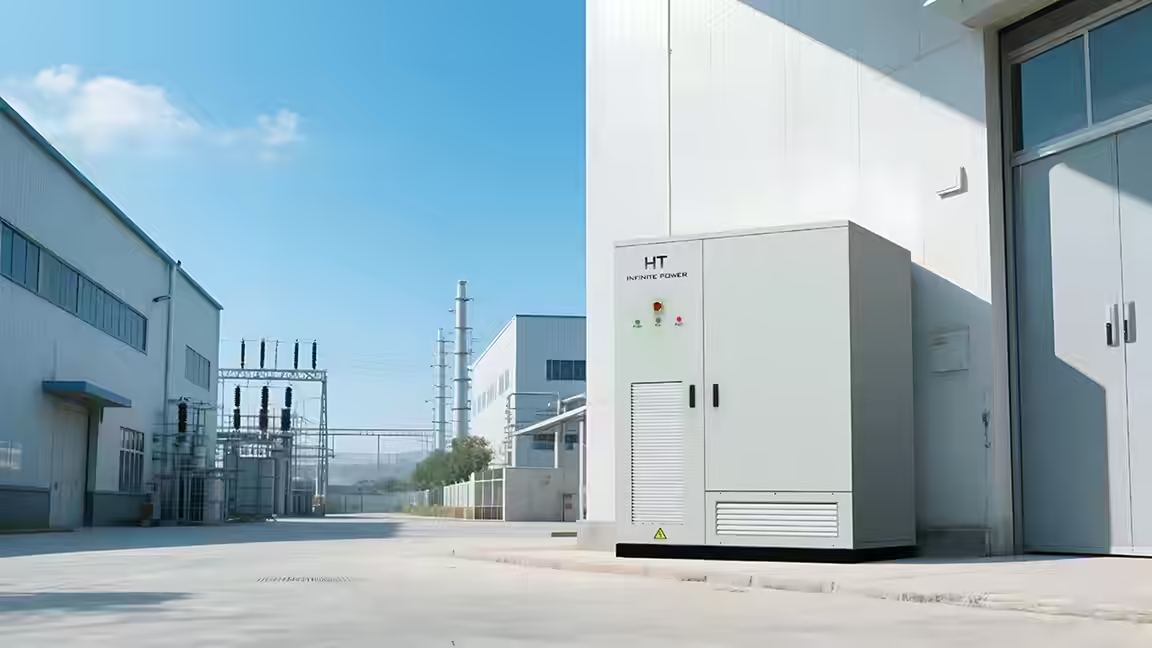
A 105-unit affordable housing building in Buffalo, New York, has installed a 3.75-megawatt-hour lithium-ion battery system intended to provide backup power and help manage demand on the local electricity grid. Developer Good Carbon Co. selected Viridi’s RPSLinkIN system for Peace Bridge Place as part of a broader effort to fully electrify and modernize the property.
The batteries are distributed across seven indoor rooms and managed through Viridi’s energy-management software. During an outage, the system is designed to extend backup service for the building. Under normal conditions, it can shift electricity use away from expensive peak periods and respond when the grid needs reduced demand or additional flexibility.
Peace Bridge Place also includes geothermal heating and cooling, domestic hot water improvements and upgrades to the building envelope. Together, those measures are meant to reduce dependence on fossil-fuel equipment while controlling one of the largest operating expenses in multifamily housing. Good Carbon says lower peak charges and participation in demand-response programs could support the building’s long-term affordability and maintenance.
The project is receiving support from the New York State Energy Research and Development Authority through its Future Grid Challenge. It is also operating as a National Grid pilot for flexible, grid-responsive technology on the distribution network. Viridi’s controls will coordinate with EnergyHub’s distributed-energy-resource management system, enabling the property to react to signals from National Grid during periods of high electricity demand.
That coordination gives the battery two roles. At the building level, stored energy can improve resilience for residents and help the owner avoid higher-cost consumption. At the network level, the same capacity can act as a controllable distributed resource, reducing strain without requiring every response to come from a conventional power plant or utility-scale battery site.
The indoor location is a defining aspect of the installation. Solar Power World described it as likely among the largest lithium-ion systems installed inside an occupied residential building in the United States. That characterization is not a definitive national ranking, but the scale makes the project a closely watched example of bringing substantial storage into places where people live. Safety performance and reliable operation will be central to whether the model is repeated.
Viridi manufactures battery systems in Buffalo and says its local facility can currently produce about 400 MWh annually, with space to expand. The company views Peace Bridge Place as a demonstration that storage can serve a property and the wider grid simultaneously.
For affordable-housing operators, the practical test will be whether resilience, peak-demand savings and grid-service revenue offset the costs of the equipment and its operation. Peace Bridge Place now provides a real occupied-building case for measuring those benefits, as well as the demands of integrating a large indoor system with heating, building controls and utility programs.