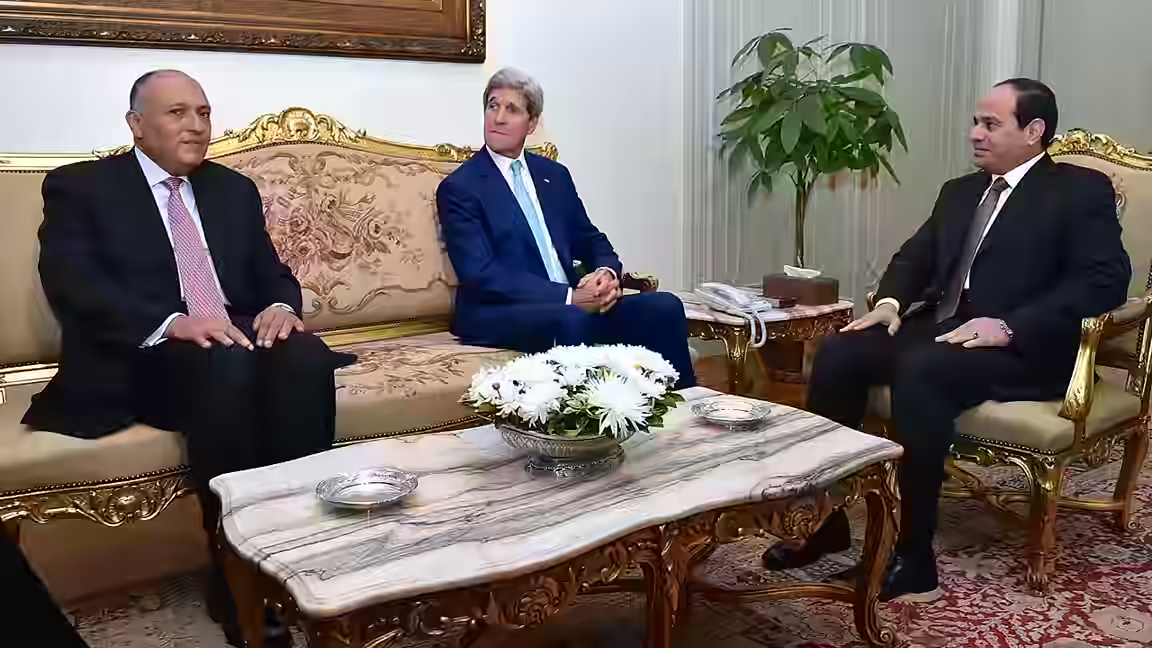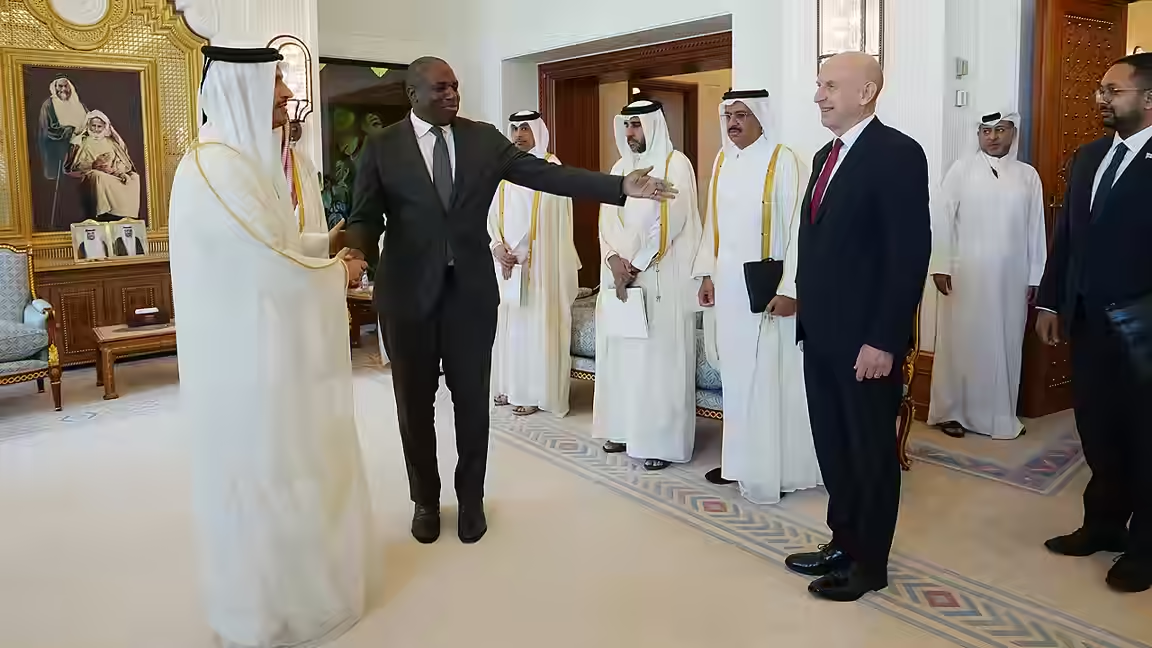
Qatar, Türkiye, Pakistan and Indonesia have signed a memorandum intended to deepen cooperation among their defence industries, bringing several existing bilateral relationships into a broader four-country framework. The Badr Memorandum of Understanding was signed in Doha on October 21 and covers manufacturing, technology, training, research and development.
Qatar's Defence Ministry said the agreement aims to strengthen the four countries' defence capabilities while encouraging collaboration on modern military products and technical skills. The pact is focused on industrial cooperation rather than a mutual-defence promise. Its practical ambitions include joint production projects, technology transfers and supply chains that allow equipment to be developed, manufactured and maintained across participating countries.
Each participant brings a different combination of resources. Türkiye has an established defence sector with experience in systems integration and weapons development. Pakistan and Indonesia offer manufacturing capacity, skilled workforces and large domestic markets. Qatar can contribute investment and demand. Analysts told Al Jazeera that combining those strengths could lower costs, create longer-term orders and give purchasing countries a greater role in producing and supporting equipment at home.
The arrangement builds on projects already under way. Qatar and Türkiye signed a bilateral defence-industry memorandum in 2025. Pakistan and Türkiye have a naval program under which two ships are being built in Istanbul and two at Karachi Shipyard. Indonesia and Türkiye are jointly developing a tank. The new agreement could place such separate ventures within a more structured network instead of requiring a new framework for each transaction.
Regional insecurity is an important backdrop. Countries are reassessing the risks of depending too heavily on a small number of foreign suppliers after conflicts, technology restrictions and supply disruptions exposed vulnerabilities. Analysts described the emerging relationships as a network stretching from the Gulf through South and Southeast Asia, not as a single new military alliance.
That distinction is important for the countries' existing ties. Qatar retains a strategic relationship with the United States, while Türkiye remains a NATO member pursuing greater technological independence within the alliance. Closer industrial cooperation with Pakistan and Indonesia does not by itself displace those commitments. Instead, the memorandum gives the participants another way to diversify suppliers, share development costs and expand domestic production.
The Badr pact also sits alongside a separate regional security initiative: Saudi Arabia, Pakistan and Türkiye signed the Mecca Joint Defence Agreement in August. That accord concerns collective deterrence and military cooperation, whereas the Doha memorandum is designed to provide industrial and technological capacity. Any future military deployment by Türkiye would still require separate parliamentary authorization.
The memorandum does not yet specify individual weapons programs, budgets or delivery schedules. Its importance will therefore depend on implementation. Concrete joint ventures, enforceable technology-transfer terms and procurement commitments will show whether the four-country structure can turn established bilateral links into a resilient shared production base.