President rules out another extension
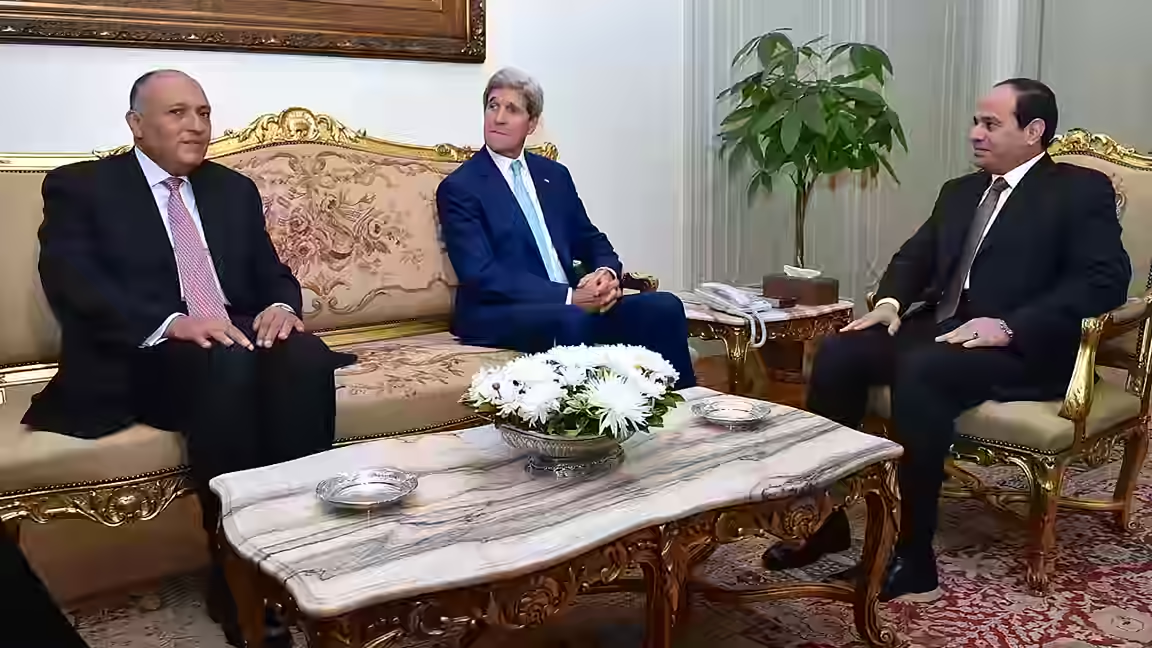
Egyptian President Abdel Fattah El-Sisi has said his current term will be his last, declaring that he intends to leave office when it expires in 2030 and that the constitution will not be amended to keep him in power. He made the remarks at a graduation ceremony at the Egyptian Military Academy in the New Administrative Capital.
Sisi described the decision as settled and said there would be no further discussion about remaining in office. The statement is politically significant because constitutional changes have previously lengthened presidential terms and allowed him to seek his current mandate. His new comments set a public deadline for a transition at the top of a system he has led since 2014.
The 71-year-old former army general said the years leading to 2030 would be used to prepare a new generation of leaders. He pointed to the Military Academy's training of prospective officials, ministers and presidential candidates as part of that effort. The remarks did not identify a successor or describe a formal selection process.
A promise made four years before the end of a term does not itself determine how the eventual transition will unfold. Egypt's constitution, election administration and political environment will shape the field of candidates and the conditions under which the next presidential vote is held. Sisi's statement nevertheless creates a clear benchmark against which future proposals to change the rules will be judged.
Remarks delivered amid regional tensions
The departure pledge came during a speech that was largely focused on regional security and Egypt's relationship with Saudi Arabia. Sisi said he had asked parliament to convene an emergency session so lawmakers could authorize defensive action if Saudi Arabia requested Egyptian support. He framed threats to the kingdom, the Red Sea and international shipping lanes as matters affecting Egyptian and wider Arab security.
Sisi also thanked Saudi Arabia, the United Arab Emirates and Kuwait for what he described as their historic support for Egypt. His request for parliamentary authority did not mean that an operation had begun. It sought legal approval for possible measures if Riyadh asked for assistance, according to the reported speech.
Placing the succession comments inside a military graduation address linked domestic leadership planning with the state's security institutions. The New Administrative Capital, where the ceremony took place, is one of Sisi's defining development projects and a seat of government built east of Cairo.
The next test will be whether state institutions begin to create a visible and competitive path toward the post-2030 presidency. For now, Sisi has made a categorical public commitment: the present six-year term is to conclude his presidency, and extending it through another constitutional amendment is not part of his plan.